

Imagine building real brand authority, generating qualified leads, and achieving consistent online visibility for just a dollar per day. Not a gimmick. Not a shortcut. According to Dennis Yu, this is exactly what the Dollar-a-Day strategy delivers when applied with discipline. In a recent roundtable discussion, Dennis shared how this deceptively simple framework transforms the way businesses, coaches, and content creators compete online.
As a long-time follower of Dennis’s work, I was reminded that the most effective strategies often come from bold experimentation. What looks like a clever trick is actually a mindset: start small, test relentlessly, and stay consistent.
In this article, I’ll share the most valuable takeaways from our conversation, including actionable advice and practical ways to implement this strategy right away. You can also watch the full webinar video below.
“Most people try to scale failure. Dollar-a-Day forces you to scale success.”Dennis Yu

The Humble Beginnings: From Quarter Flyers to Facebook
Long before Facebook Ads Manager existed, Dennis Yu was running digital flyers at 25 cents per thousand views. When Facebook introduced paid ads with a $1 per day minimum, he saw an opportunity to test his theories at scale.
He didn’t set out to build a marketing framework. It started with curiosity: small experiments, careful analysis, and the discovery that a single dollar could sometimes outperform campaigns costing hundreds. That realization became the foundation of one of the most durable frameworks in digital marketing.
The constraint of a $1 budget forced clarity. With so little to spend, every word, image, and audience selection had to earn its place. That discipline produced results that larger budgets rarely matched.
“A single dollar can teach you more than a thousand-dollar campaign, if you’re paying attention.”Dennis Yu
The lesson: instead of making large one-time bets, place small daily wagers and let the data guide you.
Dollar-a-Day Is a Visibility Engine, Not Just an Ad Tactic
Most marketers dismiss post boosting as lazy. Dennis reframes it entirely. Boosting isn’t about cutting corners. It’s about amplifying what already works.
The key is to boost content that is already generating authentic engagement: a client success story, a behind-the-scenes moment, or a short video that resonates. You are not gaming the algorithm. You are nurturing what has already proven to connect with your audience.
“It’s like seasoning your favorite meal. It just makes what’s already good even better.”Dennis Yu
Applied consistently across Facebook, LinkedIn, and other platforms, this approach keeps your content in front of the right people day after day. A dollar a day may seem trivial, but compounded over 30, 60, or 90 days, it builds a formidable visibility engine. Most people never achieve the consistency required to see this effect.
The 10% Engagement Benchmark: How to Know What to Boost
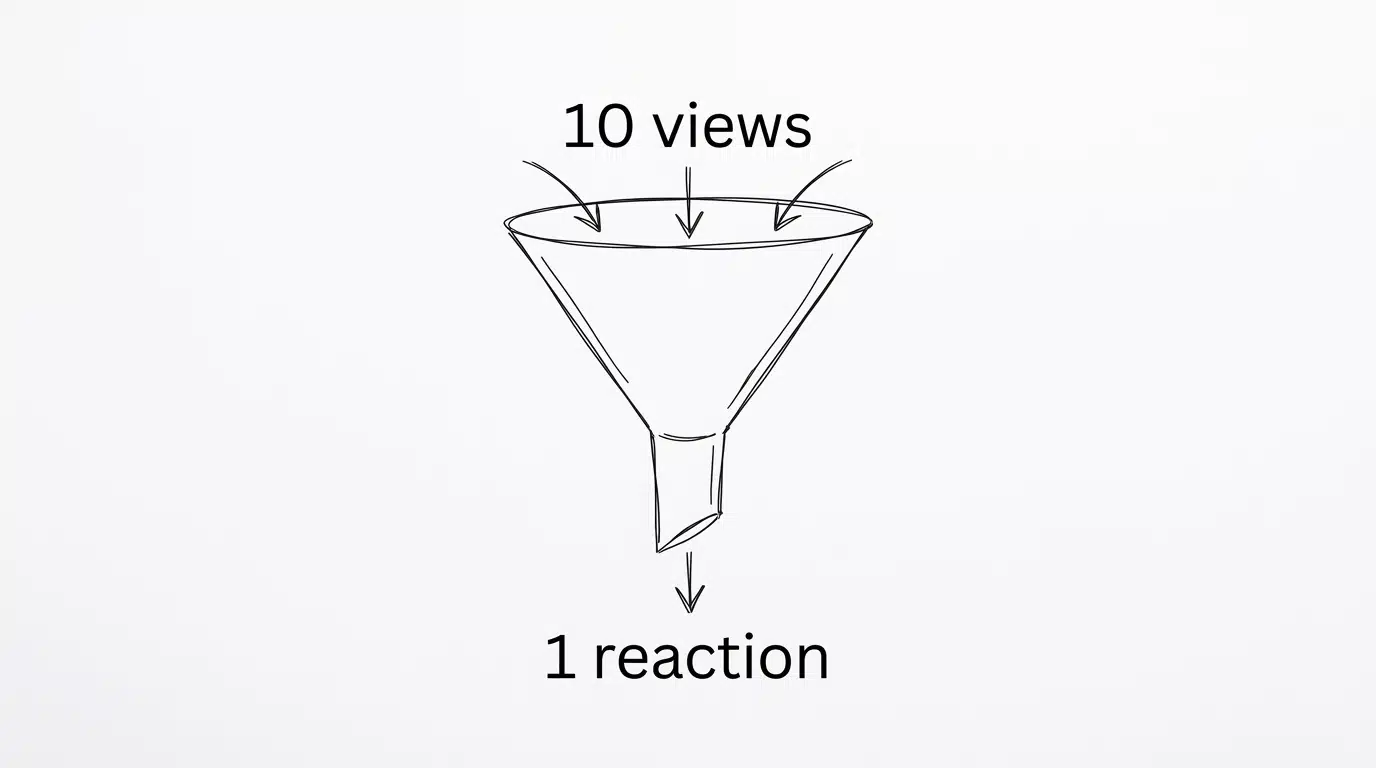
Dennis uses one simple rule to decide whether a post is worth boosting: aim for a 10% engagement rate. If ten people see your post, at least one should interact with it through a like, comment, or share.
This is not arbitrary. It signals that your content is genuinely resonating. When you hit this threshold, algorithms take notice. More importantly, it means you are creating something your audience actually values.
“If one in ten people react, that’s the clearest signal that your message is landing.”Dennis Yu
How to Calculate and Act on Your Engagement Rate
- Pull your post metrics. Go to your Facebook or LinkedIn post insights and note total reactions (likes, comments, shares) and total reach.
- Calculate the rate. Divide total reactions by total reach. Multiply by 100 to get a percentage. Anything at or above 10% is boost-worthy.
- Boost for $1 per day for 7 days. Set a narrow, relevant audience. Do not go broad. Precision targeting is what makes the dollar work.
- Review results at day 7. Did reach grow? Did engagement hold or improve? If yes, extend the boost. If not, pause and revise the content.
- Iterate on the winner. Take the insight from what worked and apply it to your next piece of content. The goal is a repeatable signal, not a one-time spike.
I tested this after our session. A post about “ugly ads” hit a 12% engagement rate. I boosted it for $1 a day for a week. Reach doubled, then tripled. That is when the compounding effect became real for me.
Why Generosity Is Your Best Brand Strategy
One of the most counterintuitive lessons from Dennis is that generosity is magnetic. He consistently boosts posts that spotlight other people: clients, colleagues, podcast hosts, even competitors. When you celebrate others, people notice. It builds trust and warmth around your brand faster than any promotional content.
“Your personal brand grows fastest when you make other people the hero.”Dennis Yu
A simple tag, a brief mention, or a short post expressing genuine appreciation can make someone’s day and position you as someone who gives before asking. That kind of energy compounds over time.
Building the Personal Brand Flywheel
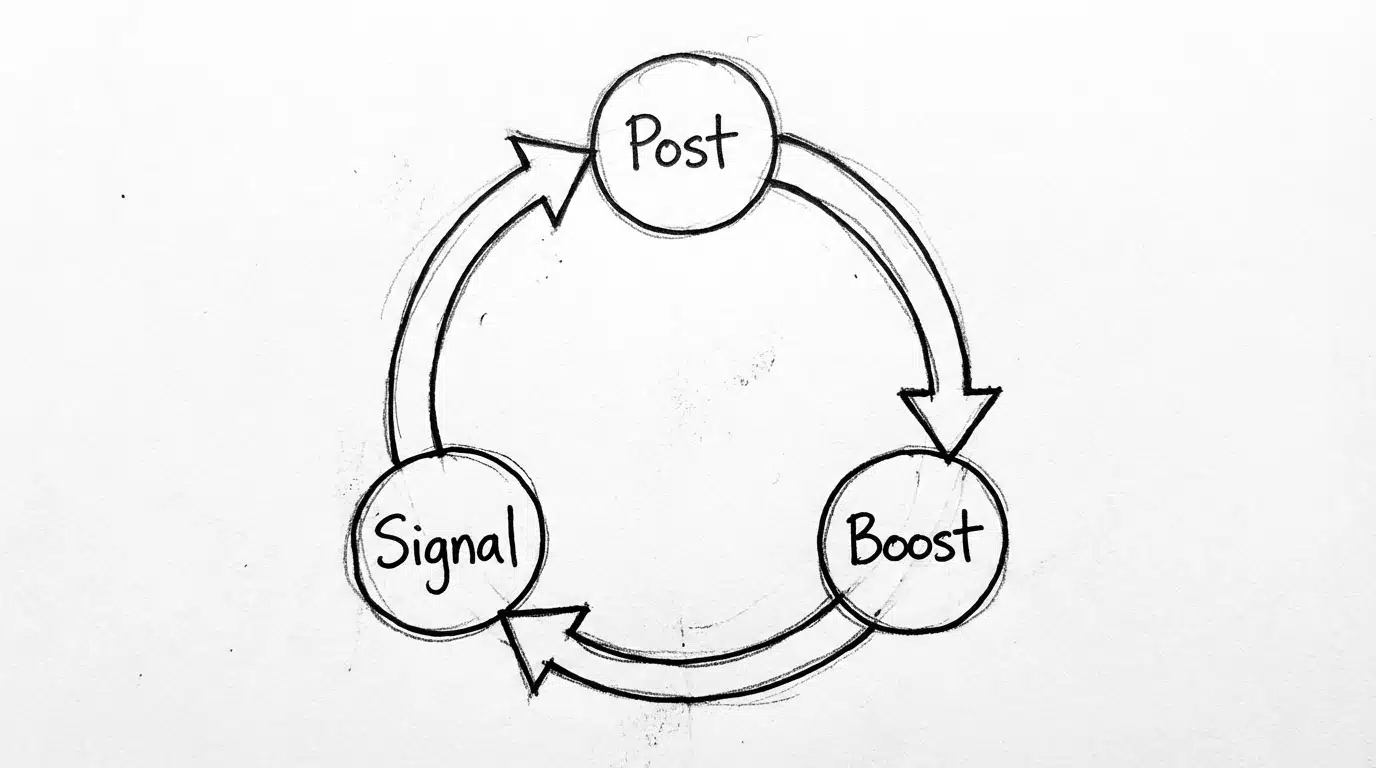
Dollar-a-Day is not just about boosting individual posts. It is about building momentum. Each boosted post sends a signal that helps platforms and Google associate your name with your area of expertise.
Dennis showed how his boosted content helped Google link his name with authority in digital marketing. His verified Knowledge Panel now appears whenever someone searches for him. That is not luck. It is the result of consistent, deliberate signal-building over time.
“You’re not buying ads. You’re paying postage to deliver your story.”Dennis Yu
Every boosted post is a digital breadcrumb. One by one, they guide people and algorithms back to who you are and what you stand for. Over time, those breadcrumbs form a clear path of authority.
The SEO Multiplier Effect
SEO is not a one-time project. It is something you earn through consistent presence. Consistent posting and boosting generate digital proof. Google and social platforms begin to recognize your name as a credible voice in your field.
“You can’t outsource credibility. You have to earn it one post at a time.”Dennis Yu
Your content becomes your reputation. Every post, every video, every boost is a small but compounding signal that says you show up. And when you show up consistently, opportunities follow.
The Bottom Line: Modest Budgets, Meaningful Impact
Dollar-a-Day is not about increasing your ad spend. It is about spending with intention. When you amplify your most impactful moments, you give your brand compound interest. Small, consistent actions will always outperform sporadic grand gestures.
“It’s not about spending more. It’s about showing up more.”Dennis Yu
Start today. Watch the full conversation with Dennis below, implement one test this week, and share your results. Tag Dennis Yu and Liana Ling when you do.
Frequently Asked Questions
What exactly is the Dollar-a-Day strategy?
It is a paid amplification framework developed by Dennis Yu where you boost individual social media posts for $1 per day. The goal is not immediate conversion. It is to test which content resonates, build consistent visibility, and let data tell you what to scale.
Which platforms does Dollar-a-Day work on?
The strategy works on any platform that supports post boosting with granular audience targeting. Facebook and Instagram are the most common starting points. LinkedIn works well for B2B audiences. The core principle applies anywhere you can pay to extend the reach of organic content.
How do I know if a post is worth boosting?
Use the 10% engagement benchmark. Divide total reactions (likes, comments, shares) by total reach. If the result is 10% or higher, the post has proven resonance and is worth amplifying. If it falls below that, revise the content before spending money on it.
How long should I run a Dollar-a-Day boost before evaluating?
Run the boost for a minimum of 7 days. This gives the algorithm time to stabilize and accounts for variation in user behavior across the week. If the post has not hit its engagement benchmarks by day 7, pause it and move to the next piece of content.